
Getting Your Crew Ready for Winter: Training and Handover Notes
Tom Whitcombe
5 min read
Short days, new presenters and holiday schedules arrive together. Tom Whitcombe sets out how to plan hands-on crew training and a clean handover before the busiest broadcasting months.
Why autumn is the right time to train
Mid autumn is a quiet window that many studios waste. The summer leave is over, the winter schedule has not yet filled with seasonal specials, election-style specials and extended live blocks. A crew that spends a few mornings on the floor and in the gallery now will carry that confidence through the months when mistakes are most visible.
I come to this from the acoustic side, so I notice something early: people who have never been shown how a room behaves tend to compensate by shouting, moving microphones at random or turning everything up. A short, structured session fixes habits that would otherwise settle in for the whole winter.
What a hands-on session actually covers
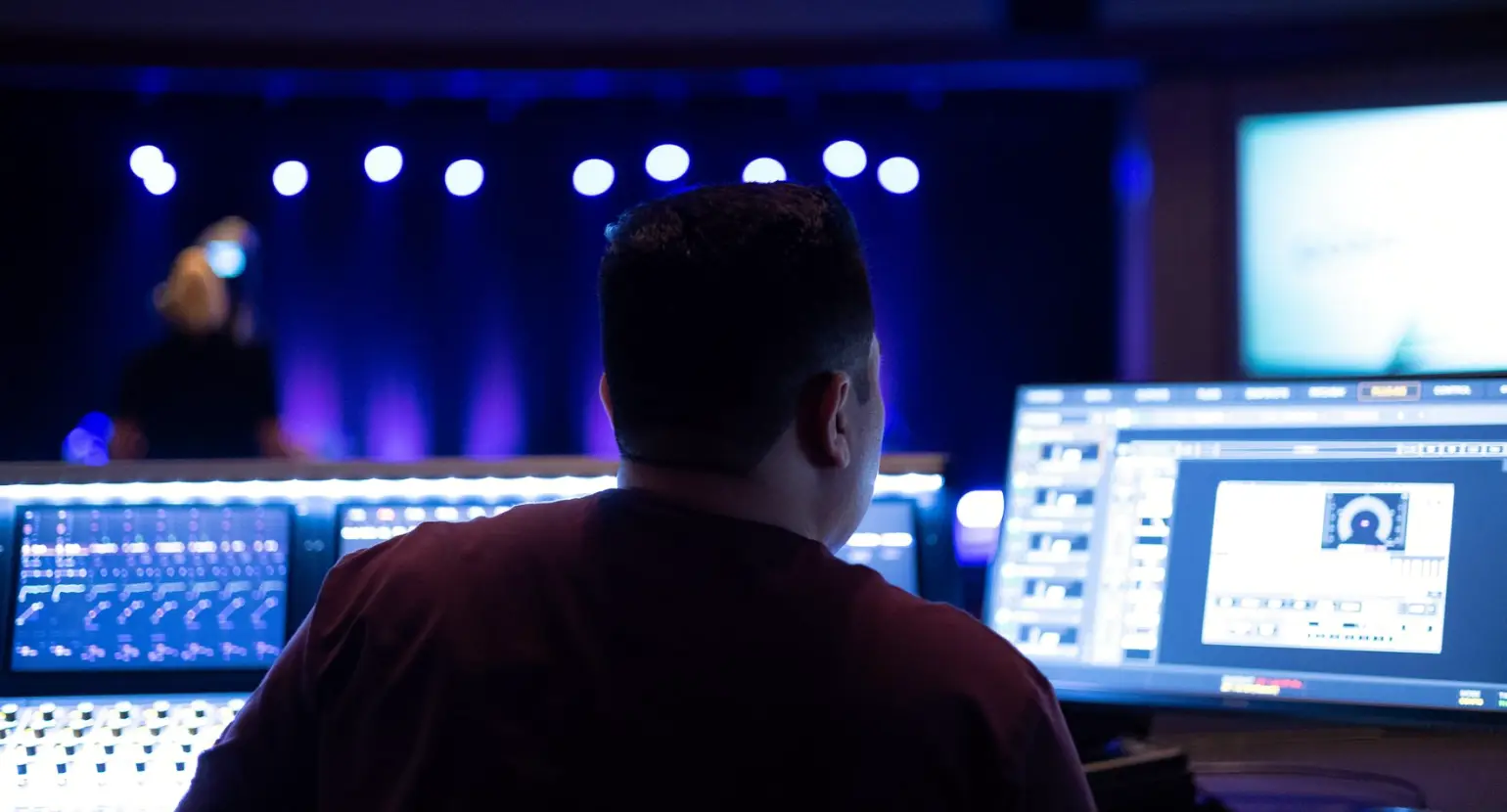
Our training and handover sessions are built around the daily operation of your own studio, not a generic course. We sit the crew at the real desk, with the real routing and the real intercom, and walk through a normal programme from power-up to close-down. Each person does the task themselves while someone else watches.
Fault finding is the second strand. We introduce one realistic fault at a time, such as a silent talkback channel or a camera that drops its return feed, and the crew works through it with the documentation open. The third strand is routine maintenance: cable checks, cleaning, patch records and what to log when something behaves oddly.
- Power-up, signal check and close-down routine
- Daily operation of mixer, monitoring and intercom
- Guided fault finding with the written documentation
- Routine maintenance and logging habits
Preparing the room before the sessions begin
A session goes far better when the studio is ready for it. Before we arrive, it helps to clear the floor of temporary cabling, agree who will attend and make sure the people who will actually run the winter shows are in the room, not only the most senior technician. Training that reaches one person leaves the rest of the crew dependent on them.
I also ask for a copy of the current run sheet and any notes about recurring problems. Complaints such as echo in the interview corner or hum on one microphone are useful starting points, because they tell us which parts of the system the crew most needs to understand.
Cold weather, damp and the studio itself
Autumn brings practical changes to a building. Heating comes on, windows stay shut, and doors that were propped open all summer are closed. The result can be a different sound in the room, condensation near outside walls and equipment that sits colder overnight than it did in July.
We cover these seasonal points in the maintenance part of the handover. Let racks warm up gently, keep ventilation paths clear when the heating runs, check that acoustic panels have not been moved or knocked, and note any new rattle or buzz when the heating cycles on. None of this is dramatic, but a written checklist makes it routine.
Documentation the crew will actually use
Handover is only as good as what stays behind. Daniel Prowse writes the signal-flow diagrams and channel lists for each project, and we print the essentials for the gallery wall as well as supplying them in a shared folder. The aim is that a new starter in December can find the answer without telephoning anyone.
We keep the language plain. A fault sheet that says what you see, what to check first and when to stop and call for help is used far more often than a thick manual. We review the pages with the crew during the session and change any wording they find unclear.
- Annotated signal-flow diagram for the gallery
- One-page start-up and close-down checklists
- Fault sheet ordered by symptom, not by equipment
- Contact route for anything the crew cannot solve
Planning the sessions around your schedule
Training works best when it does not fight the broadcast calendar. We agree the dates with you in writing, usually in half-day blocks so that crew members can rotate in and out without leaving the studio unattended. Where possible we work between programmes, using the real room as it is set for the next show.
If you are considering a session before the winter schedule starts, contact us through the contact page with a rough idea of crew numbers and the shows you expect to run. We will confirm scope and cost in a written quotation, so you know exactly what is included before anything is arranged.
The weeks before winter programming are a sensible moment to put the crew's knowledge on paper and into practice. A few focused sessions, a clear set of documents and a seasonal maintenance routine cost far less than a live failure in the busiest part of the year. Whatever you decide, write down who knows what, and make sure that knowledge is shared across the whole team.
Tom Whitcombe
Acoustic ConsultantTom measures and treats studio spaces, balancing clear speech with practical, affordable materials.